Who we are
We are scientists working at the interface of neuroscience and pharmacology to understand the brain and its involvement in disease
We decipher biological and drug mechanisms and develop translational tools and neurotechnologies for mapping and modulating the brain

Mike Michaelides, Ph.D.
Senior Investigator
Section Chief
Director, Medication Development Program

Juan L. Gomez, Ph.D.
Staff Scientist
2015-present

Oscar Solís, Ph.D.
Research Fellow
2019-present

Bethany Pierce, Ph.D.
IRTA Postdoctoral Fellow
2026-present

Daniel Pendergrass, B.S.
IRTA Postbaccalaureate Fellow
2026-present

Ellison Armitage, B.S.
IRTA Postbaccalaureate Fellow
2026-present

Christina Nguyen, B.S.
IRTA Postbaccalaureate Fellow
2026-present
Research
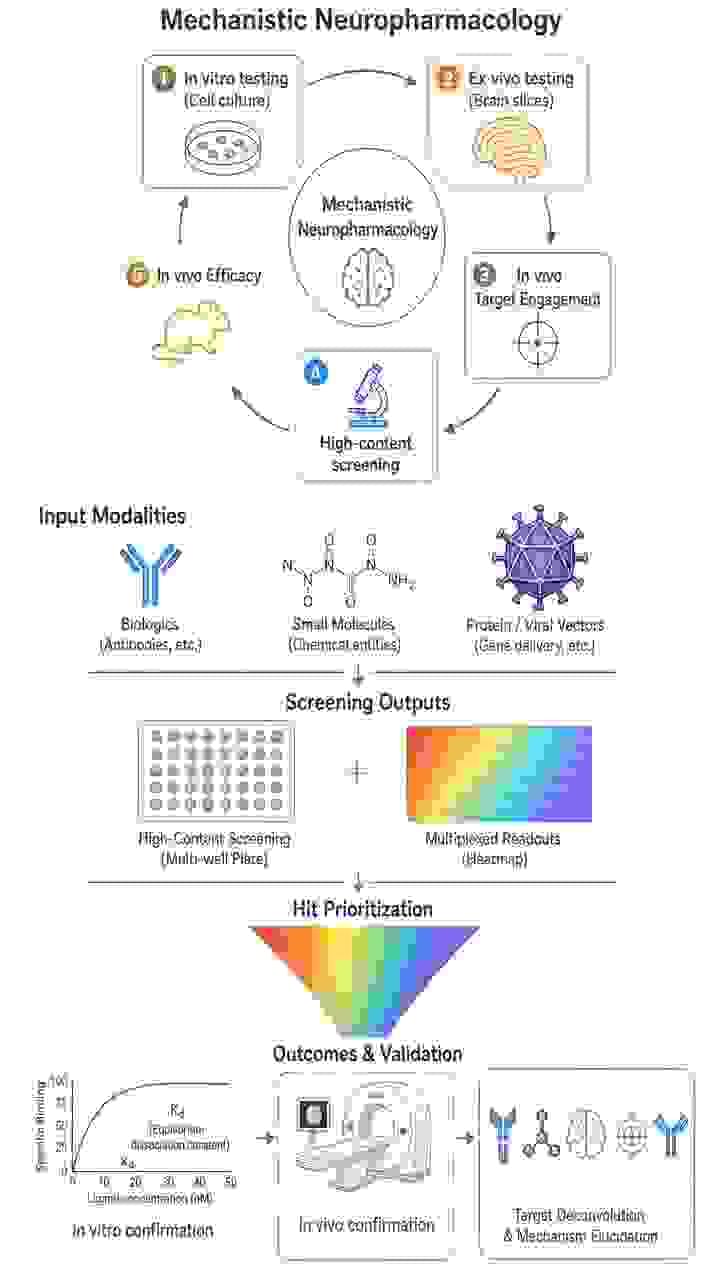
Mechanistic Neuropharmacology
We employ complementary in vitro and in vivo approaches for drug discovery, target deconvolution, preclinical development, and for dissecting the mechanism of action of popular CNS medications and recreational drugs.
Novel opioids & non-opioid analgesics
We are working on the discovery and development of new approaches for the treatment of pain that have less adverse effects than current pain medications.
Ketamine & enantiomers
Ketamine is a widely-used dissociative anesthetic, pain medication, and rapid-acting antidepressant. We are working to better understand the precise mpharmacology and mechanism of ketamine and its enantiomers, with a focus on its actions at opioid receptors.
Bonaventura et al. 2021 Levinstein et al. 2023
Bonaventura et al. 2022 Levinstein et al. 2025
Bonaventura et al. 2022 Levinstein et al. 2025
Bonaventura & Michaelides 2026
(2R,6R)-Hydroxynorketamine
(2R,6R)-hydroxynorketamine (HNK) is a ketamine metabolite implicated in ketamine's efficacy in depression. We working to establish the mechanism of (2R,6R)-HNK.
Methadone & enantiomers
Racemic methadone is used for treatment of substance abuse. The efficacy of racemic methadone is attributed to (R)-methadone. (S)-methadone is being developed as a treatment for depression. We are working on the pharmacological characterization of (R)-methadone and (S)-methadone as well as their liability for abuse.
Levinstein et al. 2023
Oliceridine (TRV-130)
Oliceridine is an FDA-approved pain medication. We clarified its in vivo pharmacological mechanism and abuse liability profile.

Precision Neurotheranostics
Within precision medicine, theranostics comprises a strategy that combines therapeutic and diagnostic strategies to provide a personalized treatment approach encompassing disease diagnosis, drug delivery, and disease/therapy monitoring using a single agent. We develop neurotheranostic technologies where the therapeutic construct can be modulated and tracked non-invasively and longitudinally in the brain.
Chemogenetic neuromodulation
Chemogenetics offers the unprecedented ability to control neuronal activity in a cell type-specific manner without the need for chronically-implantable devices. A key feature of chemogenetic technologies is that they can be combined with molecular imaging methods like PET to track the expression of the chemogenetic receptor and its function.
Gomez et al. 2017 Magnus et al. 2019
Bonaventura et al. 2019 Hu et al. 2020
Roseboom et al. 2021 Boehm et al. 2021
Song et al. 2021 Mueller et al. 2023
Optogenetic neuromodulation
Optogenetics is a widely-used technology consisting of light-activatable ion channels expressed in neural tissue which upon light stimulation can either activate or inhibit neurons with exquisite temporal precision. Optogenetics has had a strong impact on basic neuroscience research. However, its use in translational applications has been limited. One reason for this, is that opsin expression cannot be visualized noninvasively in intact subjects. To address this, we are developing noninvasive reporter detection systems for optogenetics.
Bonaventura et al. 2023 Li et al. 2024

Molecular imaging & PET radiotracer development
We use PET to perform noninvasive, quantitative, and longitudinal assessments of various brain processes and receptor occupancy/target engagement of candidate compounds, genetic constructs. We also develop novel PET radiotracers.
Metabolic Mapping:
[18F]FDG - Glucose analog
Synaptic Density:[18F]SynVest-1 - SV2A ligand
Neuroinflammation:
[18F]DPA714 - TSPO radioligand
Dopamine System:
[18F]FDOPA - Fluorinated L-Dopa
[11C]Raclopride - D2/D3 receptor antagonist
[18F]Fallypride - D2/D3 receptor antagonist
Opioid System:
[18F]FE-DPN - Mu opioid receptor antagonist
Chemogenetics:
[18F]JHU37107 - DREADD agonist
[11C]clozapine - DREADD agonist
[18F]ASEM - PSAM4 agonist
Optogenetics:
[18F]FES - ChRERa radioligand
Synaptic Zinc
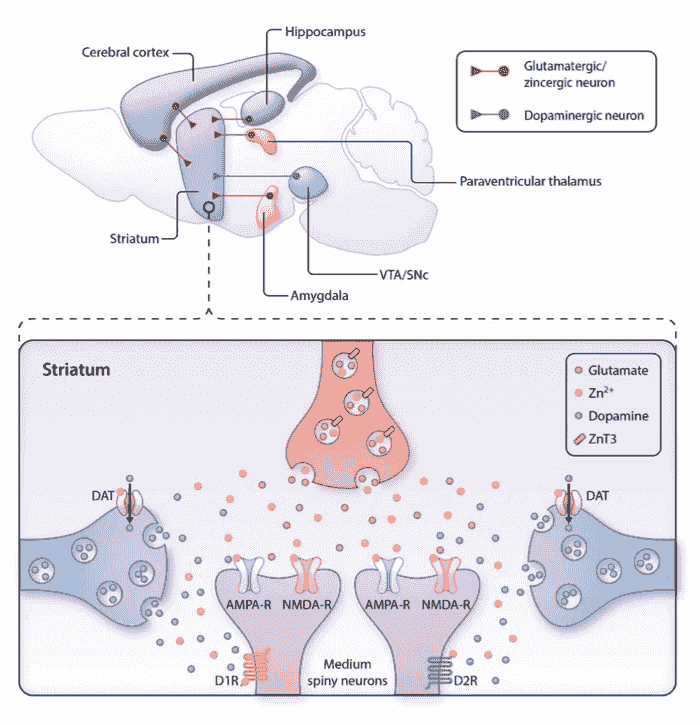
Synaptic zinc and glutamate are transported into synaptic vesicles via the ZnT3 (Slc30a3) transporter and co-released from presynaptic terminals. People with addiction and related brain disorders have abnormal zinc levels but the precise involvement of synaptic zinc in both normal neurotransmission or disease is not well understood. We are working to define the role of synaptic zinc in modulating neurochemistry and behavior and the extent to which this is relevant to addiction and related conditions.
We developed the first ZnT3-cre mice and rats and are developing the first ZnT3 small molecules as tools and potential therapeutics.
Selected Publications

Brain Metabolic Correlates of Heroin Addiction Severity during Abstinence and Heroin versus Social Seeking: A PET Study in Rats
2026

Molecular Snapshots Confirm Ketamine's Opioid Nature
2026

A µ-Opioid Receptor Superagonist Analgesic with Minimal Adverse Effects
2026

Cocaine Chemogenetics Blunts Drug-seeking by Synthetic Physiology
2025

Ultrapotent Chemogenetics for Research and Potential Clinical Applications
2019

Chemogenetics Revealed: DREADD Occupancy and Activation via Converted Clozapine
2017

Expression of the Excitatory Opsin ChRERα can be Traced Longitudinally in Rat and Nonhuman Primate Brain with PET Imaging
2023

A Reversible Allosteric Inhibitor of GlyT2 Alleviates Neuropathic Pain Without On-target Side Effects
2025

Identification of Non-competitive and Reversible Inhibitors of Glycine Transporter 2: A Promising Non-opioid Therapeutic Strategy for Neuropathic Pain
2026

Discovery of Fluorinated Ultrapotent Chemogenetic Ligands for PET Imaging and Neural Modulation in Nonhuman Primates
2026

The Role of Central vs. Peripheral Opioid Receptors in Fentanyl-induced Brain Hypoxia
2025

Bifunctional Modulation of NMDA and Opioid Receptors in Ketamine Reinforcement and Misuse: Implications for Substance Use Disorder Treatment
2025
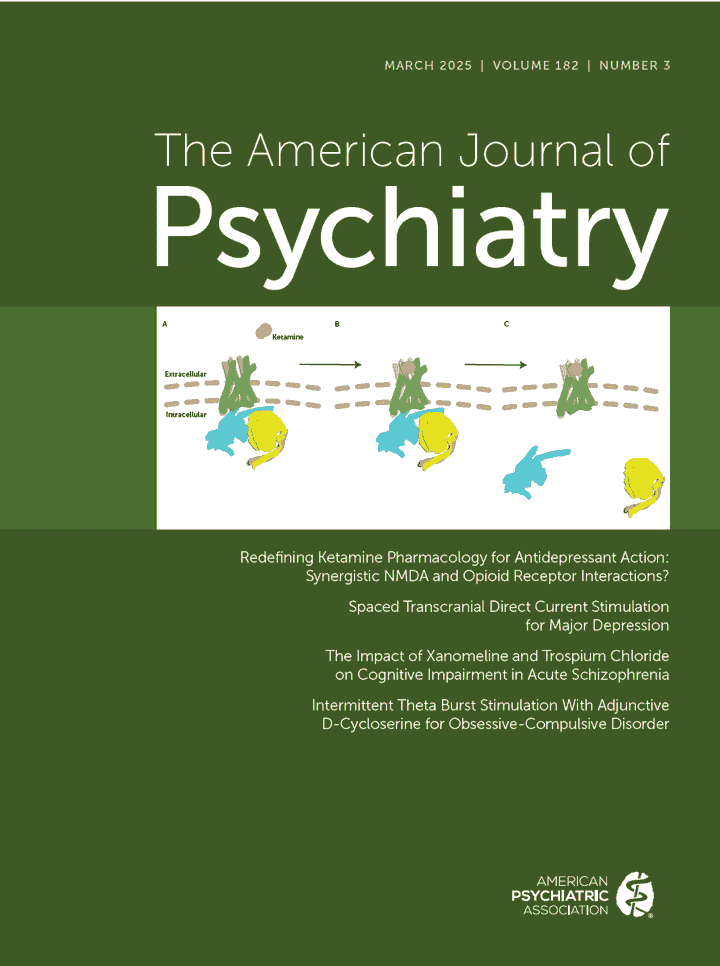
Redefining Ketamine Pharmacology for Antidepressant Action: Synergistic NMDA and Opioid Receptor Interactions?
2025

Evaluation of [18F]fluoroestradiol and ChRERα as a Gene Expression PET Reporter System in Rhesus Monkey Brain
2024

Unique Pharmacodynamic Properties and Low Abuse Liability of the µ-Opioid Receptor Ligand
(S)-Methadone.2023

High-potency Ligands for DREADD Imaging and Activation in Rodents and Monkeys
2019

A CRE/DRE Dual Recombinase Transgenic Mouse Reveals Synaptic Zinc-mediated Thalamocortical Neuromodulation
2023

PET Reporter Systems for the Brain
2023

Mu Opioid Receptor Activation Mediates (S)-ketamine Reinforcement in Rats: Implications for Abuse Liability
2022

Chemogenetics as a Neuromodulatory Approach to Treating Neuropsychiatric Diseases and Disorders
2021

The Neuroscience of Drug Reward and Addiction
2019

The SARS-CoV-2 Spike Protein Binds and Modulates Estrogen Receptors
2022

Target Deconvolution Studies of (2R,6R)-Hydroxynorketamine: An Elusive Search
2022

Synaptic Zinc Potentiates the Effects of Cocaine on Dopamine Neurotransmission and Behavior
2021

Pharmacological and Behavioral Divergence of Ketamine Enantiomers: Implications for Abuse Liability
2021

Dopamine D2 Receptor Signaling in the Nucleus Accumbens Comprises a Metabolic-Cognitive Brain Interface Regulating Metabolic Components of Glucose Reinforcement
2017

Whole-brain Circuit Dissection in Free-moving Animals Reveals Cell-specific Mesocorticolimbic Networks
2013
Impaired Periamygdaloid-Cortex Prodynorphin is Characteristic of Opiate Addiction and Depression
2013
All Publications
2026

Identification of Non-competitive and Reversible Inhibitors of Glycine Transporter 2: A Promising Non-opioid Therapeutic Strategy for Neuropathic Pain
2026

Early Life Adversity Increases Striatal Dopamine D1 Receptor Density and Promotes Social Alcohol Drinking in Mice, Especially Males
2026

A µ-Opioid Receptor Superagonist Analgesic with Minimal Adverse
2026

A Ketogenic Diet Reduces Hepatic Alcohol Metabolism and Alcohol Consumption in Rats
2026

An Emerging Role for Synaptic Zn2+ in Substance Use Disorders
2026

Discovery of Fluorinated Ultrapotent Chemogenetic Ligands for PET Imaging and Neural Modulation in Nonhuman Primates
2026

A Reversible Allosteric Inhibitor of GlyT2 Alleviates Neuropathic Pain Without On-target Side Effects
2025

The Role of Central vs. Peripheral Opioid Receptors in Fentanyl-induced Brain Hypoxia
2025

Bifunctional Modulation of NMDA and Opioid Receptors in Ketamine Reinforcement and Misuse: Implications for Substance Use Disorder Treatment
2025
Cocaine Chemogenetics Blunts Drug-seeking by Synthetic Physiology
2025
The Dopaminergic Effects of Esketamine are Mediated by a Dual Mechanism Involving Glutamate and Opioid Receptors
2025

A Putative Binding Model of Nitazene Derivatives at the μ-Opioid Receptor
2025

Frontostriatal regulation of brain circuits contributes to flexible decision making
2025
Redefining Ketamine Pharmacology for Antidepressant Action: Synergistic NMDA and Opioid Receptor Interactions?
2025

Locomotor Activity Depends on β-arrestin Recruitment by the Dopamine D1 Receptor in the Striatal D1-D3 Receptor Heteromer
2025

Repetitive Grooming Behavior Following Aversive Stimulus Coincides with a Decrease in
Anterior Hypothalamic Area Activity2025

Preexisting Risk-Avoidance and Enhanced Alcohol Relief are Driven by Imbalance of the Striatal Dopamine Receptors in Mice
2024
Evaluation of [18F]fluoroestradiol and ChRERα as a Gene Expression PET Reporter System in Rhesus Monkey Brain
2024

Genetic or Pharmacological GHSR Blockade has Sexually Dimorphic Effects in Rodents on a High-fat Diet
2024

Synthesis and Preclinical Evaluation of [11C]uPSEM792 for PSAM4-GlyR based Chemogenetics
2024

Sex Dependence of Opioid-mediated Responses to Subanesthetic Ketamine in Rats
2024
Unique Pharmacodynamic Properties and Low Abuse Liability of the µ-Opioid Receptor Ligand
(S)-Methadone.2023

In vivo Photopharmacology with Light-activated Opioid Drugs
2023

DREADD-mediated Amygdala Activation is Sufficient to Induce Anxiety-like
Responses in Young Nonhuman Primates
2023
PET Reporter Systems for the Brain
2023

A Non-Canonical Striatopallidal “Go” Pathway that Supports Motor Control
2023
Expression of the Excitatory Opsin ChRERα can be Traced Longitudinally in Rat and Nonhuman Primate Brain with PET Imaging
2023

Anterior Hypothalamic Parvalbumin Neurons are Glutamatergic and Promote Escape Behavior
2023

Exploring the Role of Mu Opioid Receptors in the Therapeutic Potential and Abuse Liability of (S)-Ketamine
2023

Interactions of Calmodulinkinase II with the Dopamine Transporter Facilitate Cocaine-induced Enhancement
of Evoked Dopamine Release2023

Relevance of the Viral Spike Protein/Cellular Estrogen Receptor-α Interaction for Endothelial-based Coagulopathy Induced by SARS-CoV-2
2023
A CRE/DRE Dual Recombinase Transgenic Mouse Reveals Synaptic Zinc-mediated Thalamocortical Neuromodulation
2023

Effect of Selective Lesions of Nucleus Accumbens μ-Opioid Receptor-Expressing Cells on Heroin Self-Administration in Male and Female Rats: a Study with Novel Oprm1-Cre Knock-in Rats
2023
Mu Opioid Receptor Activation Mediates (S)-ketamine Reinforcement in Rats: Implications for Abuse Liability
2022

Ketamine Preservative Benzethonium Chloride Potentiates Hippocampal Synaptic Transmission and Binds Neurotransmitter Receptors and Transporters
2022

Essential Role of P-Glycoprotein in the Mechanism of Action of Oliceridine
2022
The SARS-CoV-2 Spike Protein Binds and Modulates Estrogen Receptors
2022

A Tool for Monitoring Cell Type Specific Focused Ultrasound Neuromodulation and Control of Chronic Epilepsy
2022

6-O-(2-[18F]Fluoroethyl)-6-O-desmethyl-diprenorphine ([18F]FE-DPN) Preferentially Binds to Mu Opioid Receptors In Vivo
2022

Adolescent Nicotine Administration Increases Nicotinic Acetylcholine Receptor Binding and Functional Connectivity in Specific Cortico-Striatal-Thalamic Circuits
2022
Target Deconvolution Studies of (2R,6R)-Hydroxynorketamine: An Elusive Search
2022

The Show Must Go On. Reply to “Distinct functions of S-ketamine and R-ketamine in mediating biobehavioral processes of drug dependency: comments on Bonaventura et al” by Insop Shim
2022

Time Will Tell. Reply to “Comments to pharmacological and behavioral divergence of ketamine enantiomers by Jordi Bonaventura et al.” by Chen et al
2022

Mechanisms of Ketamine and its Metabolites as Antidepressants
2022
Chemogenetics as a Neuromodulatory Approach to Treating Neuropsychiatric Diseases and Disorders
2021
Synaptic Zinc Potentiates the Effects of Cocaine on Dopamine Neurotransmission and Behavior
2021

Evidence in Primates Supporting the Use of Chemogenetics for the Treatment of Human Refractory Neuropsychiatric Disorders
2021
Pharmacological and Behavioral Divergence of Ketamine Enantiomers: Implications for Abuse Liability
2021

Translational PET Imaging Applications for Brain Circuit Mapping and Manipulation with Transgenic Tools
2021

18F-labeled Radiotracers for In Vivo Imaging of DREADDs with Positron Emission Tomography
2020

DREADD Approach to Treatment of Sleep Disordered Breathing
2020
High-potency Ligands for DREADD Imaging and Activation in Rodents and Monkeys
2019
The Neuroscience of Drug Reward and Addiction
2019
Ultrapotent Chemogenetics for Research and Potential Clinical Applications
2019

Ultrastructural Localization of DREADDs in Monkeys
2019

Opioid-Galanin Receptor Heteromers Mediate the Dopaminergic Effects of Opioids
2019

Nucleus Accumbens Drd1-Expressing Neurons Control Aggression Self-Administration and Aggression Seeking in Mice
2019

Motivational Valence is Determined by Striatal Melanocortin 4 Receptors
2018

Striatal Rgs4 Regulates Feeding and Susceptibility to Diet-induced Obesity
2018
Chemogenetics Revealed: DREADD Occupancy and Activation via Converted Clozapine
2017
Dopamine D2 Receptor Signaling in the Nucleus Accumbens Comprises a Metabolic-Cognitive Brain Interface Regulating Metabolic Components of Glucose Reinforcement
2017

Acute Engagement of Gq-mediated Signaling in the Bed Nucleus of the Stria Terminalis Induces Anxiety-like Behavior
2016

Elucidation of The Behavioral Program and Neuronal Network Encoded by Dorsal Raphe Serotonergic Neurons
2015

DREAMM: A Biobehavioral Imaging Methodology for Dynamic in vivo Whole-brain Mapping of Cell Type-specific Functional Networks
2015
Whole-brain Circuit Dissection in Free-moving Animals Reveals Cell-specific Mesocorticolimbic Networks
2013
Impaired Periamygdaloid-Cortex Prodynorphin is Characteristic of Opiate Addiction and Depression
2013

Limbic Activation to Novel Versus Familiar Food Cues Predicts Food Preference and Alcohol Intake
2013

PET Imaging Predicts Future Body Weight and Cocaine Preference
2012

Dopamine-related Frontostriatal Abnormalities in Obesity and Binge-eating Disorder: Emerging Evidence for Developmental Psychopathology
2012

Translational Neuroimaging in Drug Addiction and Obesity
2012

Dopamine D4 Receptors Modulate Brain Metabolic Activity in the Prefrontal Cortex and Cerebellum at Rest and in Response to Methylphenidate
2010
Tools & Resources

Radioligands & Imaging Agents
Our lab has pioneered the use of the agents below for non-invasive localization of chemogenetic and optogenetic switches in various species with the ultimate goal being human application.
[3H]ASEM - In vitro PSAM4-GlyR & PSAM4-5HT3 quantification
[18F]ASEM - Longitudinal In vivo PSAM4-GlyR & PSAM4-5HT3 quantification
[3H]Clozapine - In vitro hM3Dq/hM4Di quantification
[3H]Compound 13 (C13) - In vitro hM3Dq/hM4Di quantification
[18F]JHU37107 (J07) - Longitudinal In vivo hM3Dq/hM4Di quantification
[18F]fluoroestradiol (FES) - Longitudinal In vivo Opsin quantification (coming soon)
Publications

Chemogenetic agonists
Our lab has developed the first DREADD agonists that exhibit high affinity, high in vivo potency, and high brain penetrance in several species, which favors clinical translation. These compounds require very low systemic doses (<0.1 mg/kg) to facilitate rapid and remote activation of chemogenetic switches in the brain.

Plasmids
For translational and clinical gene therapy applications, chemogenetic/optogenetic switches need to be optimized to drive efficient expression and trafficking to the cell membrane, where their respective actuators would achieve maximum efficacy. For this reason, our goal has been to optimize existing chemogenetic/optogenetic gene therapy constructs for optimal expression and targeting. One way of doing this is to strip bulky and potentially toxic fluorescent reporters, typically used in such designs, and which are not useful for translational and clinical applications. Our strategy is to leverage the use of our translational PET-based reporters for non-invasive and longitudinal quantification of chemogenetic/optogenetic switches along with small epitopes (e.g. HA-tag) whenever in vitro detection would be necessary.
Highlights

NIH researchers discover pain-relieving drug with minimal addictive properties
Our recent work highlighted by the NIH
April 1 2026
Super-potent opioids could be safer-than-expected alternatives to conventional painkillers
Our recent work highlighted in Nature
April 1 2026

A New Opioid Agonist?
Our recent work highlighted by Derek Lowe in "In the pipeline" at Science
April 3 2026

Can a "Superopioid" Treat Pain Without Opioid Baggage? A Nature Paper Says Maybe
Our recent work highlighted by ACSH
April 2 2026

New opioid painkiller has surprisingly few side effects
Our recent work highlighted in Chemical & Engineering News
April 2 2026

New ‘safer opioid’ delivers pain relief without addiction risk in early tests
Our recent work highlighted by Fox news
April 9 2026
Novel opioid provides cleaner pain relief
Our recent work highlighted by Nature Reviews Drug Discovery
May 6 2026
Nature: Research Briefing on our recent article
Our recent work highlighted in the journal Nature
September 3 2025

The role of the estrogen receptor in COVID-19
Our recent work highlighted in the journal Nature Italy. Interview by first author Dr. Oscar Solis.
December 12 2022

Cooperative Research and Development Agreement (CRADA) with Attune Neurosciences, Inc.
Mike Michaelides to serve as a co-PI on a CRADA with Attune Neurosciences, Inc. to develop focused ultrasound applications for neuromodulation
December 22 2021

Cooperative Research and Development Agreement (CRADA) with Redpin Therapeutics, Inc.
Mike Michaelides to serve as a PI on a CRADA with Redpin Therapeutics, Inc. to develop chemogenetic applications for translational applications
June 16 2021

NIH Scientists Redesign Neurons to Enable Targeted Therapies
Our recent work highlighted in the NIH I am Intramural Blog
March 17 2021

Interview on CODA Biotherapeutics at STAT+
Mike's interview at STAT+
February 5 2020

Presentation at the Brain Initiative's "Chemogenetic Innovations in the Manipulation & Monitoring of Labeled Neurons Workshop"
Mike presented at this NIH Brain Initiative Workshop
December 10 2019

Presentation at the ACNP 2019 Annual Meeting describing our optogenetics molecular imaging technology
Mike presented at the ACNP 2019 "Hot Topics"
December 10 2019

"Changing the Locks" article and interview for Chemistry World about our work and that of others on chemogenetics.
Mike's interview at Chemistry World
May 20 2019

Interview for Science magazine: Could deep brain stimulation help zap diabetes?
Mike's interview for Science
May 23 2018

Interview for the American Psychiatric Association (APA): DREADDs Could Guide More Targeted Treatments in Future
Mike's interview for Psychiatric News
March 16 2018

Research highlight about our recent work on chemogenetics
Our recent work highlighted in the journal Nature Methods
September 29 2017

Research highlight about our recent work on chemogenetics
Our recent work highlighted in the journal Nature Chemical Biology
September 19 2017
Alumni

Ingrid Schoenborn, B.S.
IRTA Postbaccalaureate Fellow
2024-2026
Current - Ph.D. student
University of Cambridge

Will Dunne, B.S.
IRTA Postbaccalaureate Fellow
2024-2026
Current - Ph.D. student
University of Pennsylvania

Anna Tischer, B.S.
IRTA Postbaccalaureate Fellow
2024-2026
Current - Ph.D. student
University of Pittsburgh

Marjorie Levinstein, Ph.D.
IRTA Postdoctoral Fellow
2021-2026
Current - UAW

Zachary Frangos, Ph.D.
IRTA Postdoctoral Fellow
2023-2025
Current - Department of Health,
Australian Government

Fallon Curry, B.S.
IRTA Postbaccalaureate Fellow
2022-2024
Current - Ph.D. student
University of Minnesota

Reece Budinich, B.S.
IRTA Postbaccalaureate Fellow
2021-2024
Current - Ph.D. student
University of Pittsburgh

Leila Ghaffari, B.S.
Special Volunteer
2021-2024
Current - Clinical Research Coordinator
University of Pennsylvania

Emilya Ventriglia, B.S., M.S.
IRTA Postbaccalaureate Fellow
2020-2023
Current - Ph.D. student
Brown Universtiy-NIH GPP Program

Matthew Boehm, Ph.D.
PhD Student, NIH GPP Program/Brown University
2017-2022
Current - AAAS Fellow
Department of Veterans Affairs

Meghan Carlton, B.S.
IRTA Postbaccalaureate Fellow
2019-2021
Current - PhD student
Albert Einstein School of Medicine

Jordi Bonaventura, Ph.D.
Research Fellow
2019-2021
IRTA Postdoctoral Fellow
2016-2019
Current - Ramón y Cajal Investigator
University of Barcelona

Sherry Lam, B.S.
Research Technician
2019-2020
IRTA Postbaccalaureate Fellow
2017-2019
Current - M.A. student
Rutgers University

Theresa Kopajtic, B.S.
Research Biologist
2018-2019
Current - Retired

Kelsey Wright, B.S.
IRTA Postbaccalaureate Fellow
2017-2019
Current - Ph.D. Student
Northwestern University

Dondre Marable, B.S.
IRTA Postbaccalaureate Fellow
2017-2019
Current - Product Manager, CTM

Jatia Mills, B.S.
RTURP Research Fellow
Summer 2018
Current - Ph.D. student
Biomedical and Veterinary Sciences, Virginia Tech

Weilin Chan, B.S.
Special Volunteer/Summer Student
2016-2018
Current - M.D. Student
University of Buffalo

Randall J. Ellis, B.S.
IRTA Postbaccalaureate Fellow
2015-2017
Current - Ph.D. student
Biophysics & Systems Pharmacology
Icahn School of Medicine at Mount Sinai

Lionel A. Rodriguez, B.S.
IRTA Postbaccalaureate Fellow
2015-2017
Current - Ph.D. student,
Neuroscience
Johns Hopkins University

Margaret Jokoh
RTURP Research Fellow
Summer 2016
Current - Student, Loyola University

Kat Daly, B.S.
Lab rotation, NIH GPP program
Spring 2016
Current - Ph.D. student
JHU/NIH GPP Program